Corrosion-Resistant Coatings for Industrial Metal Parts
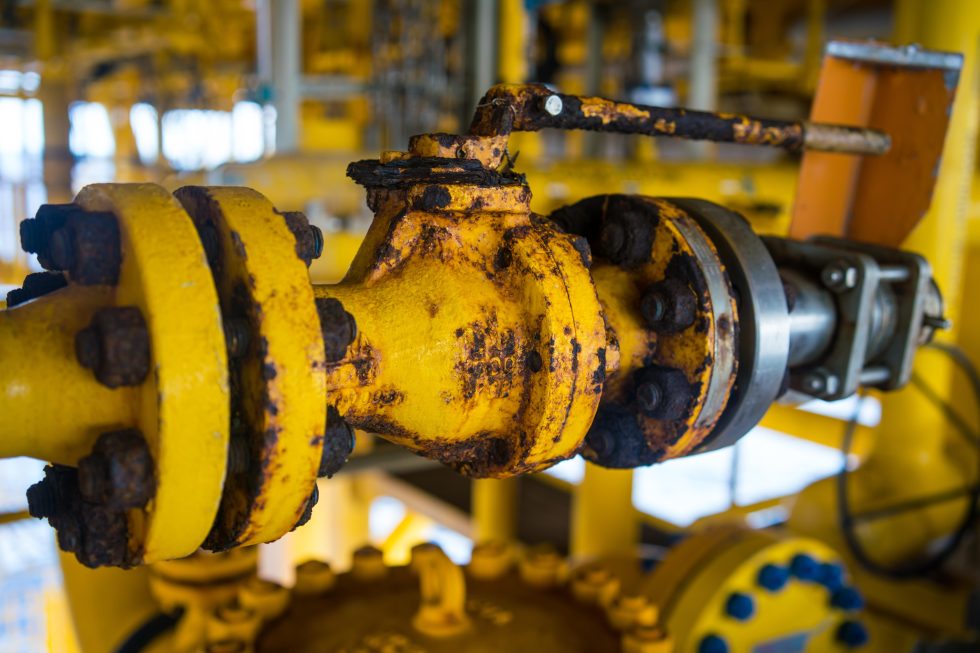
A metal part with rust or pitting may need replacement long before its planned date. Choosing a coating to prevent that damage can be hard. The right choice depends on the base metal, the operating environment, and the tolerances on your print.
At PFI, we help you match a coating to your part and its service conditions. Your parts can then stay in service longer, and you spend less on rework and replacements. Read on to learn more about our corrosion protection coatings and see three examples of customer savings.
Get a Quote for Corrosion Resistant Coatings
The High Cost of Corroded Parts
NACE International published an IMPACT study that estimated that corrosion cost $2.5 trillion worldwide in 2013, or about 3.4% of global gross domestic product. Using existing corrosion control practices could cut that cost by 15% to 35%, according to the same study. That range equals $375 billion to $875 billion a year.
A corroded part has to be reworked or replaced, and you pay for the labor and the production time lost during the repair. Pitting on a threaded or close-tolerance surface can put the part out of spec, and you either scrap it or pay to salvage it.
Condensation and Cooling Water in Molds
Chilled cooling water can drop the mold surface temperature below the dew point of the shop air. Moisture then condenses on the cavity and mold plates, and rust forms on any bare steel that stays wet.
Chlorides, dissolved oxygen, and poorly treated water corrode the steel inside the cooling channels. Rust buildup narrows each channel and reduces water flow, which makes mold temperature harder to hold.
Acidic Resins That Corrode Molds
PVC releases hydrogen chloride gas when it overheats during molding. That gas forms hydrochloric acid when it contacts moisture on the mold, and the acid pits the cavity steel. Certain polyphenylene sulfide (PPS) grades also corrode tool steel and beryllium copper molds.
Mold Storage and Handling
An idle mold picks up moisture from humid shop air during shutdowns and storage. Wrapping a mold that ran PVC in an airtight seal can also trap acid vapor against the cavity steel. Bare hands leave salt and skin oil on a polished cavity, and rust can form under those fingerprints.
Coatings We Apply for Corrosion Protection
Since 1982, we have plated steel, aluminum, copper alloys, and other base metals, along with mold and tooling surfaces for manufacturers. The sections below group our coatings by base metal and by mold and tooling use. You can match each one to your part and its service conditions.
Nickel Coatings
Electroless nickel is our most requested coating for corrosion protection, and we run a high-phosphorus bath when corrosion resistance is the main requirement. The nickel deposits through a chemical reaction without electrical current and builds to the same thickness on threads and inside deep bores. You can hold tight tolerances on the plated part and skip grinding afterward.
Satin nickel and black nickel protect steel parts against both corrosion and wear. You get a harder deposit from black nickel at about 54 to 56 Rockwell C than from satin nickel at about 42 to 44. Hard nickel reaches 58 to 62 Rockwell C and resists corrosion especially well in alkaline environments.
Chrome, Zinc and Tin Coatings
Our thin dense chrome (TDC) process applies a chromium coating to the part and adds 0.0002 inch or less of total growth under normal conditions. The coating resists attack from most organic and inorganic compounds and works on most ferrous and nonferrous metals.
Zinc plating protects steel parts from corrosion at a low cost and can be rack or barrel plated. Tin plating protects against corrosion as well and keeps the surface conductive and solderable. We certify our tin plating to MIL-T-10727 and plate it on honeycomb shielding and other parts.
Stainless Steel Parts
Free iron from the cutting tool can transfer onto stainless steel during machining and leave a thin layer of rust on the part. We passivate stainless parts to QQ-P-35C and ASTM A967 to prevent that rust. A certificate of compliance is available with any passivation order on request.
Mold and Tooling Surfaces
Lubricoat adds PTFE and lubricating polymers to a nickel-phosphorus deposit to help plastic release from the cavity. The nickel and phosphorus in the coating resist corrosion in molds exposed to moisture or chemical residue.
Dura Slick is a nickel-based release coating with a breakdown temperature of 1,650 degrees Fahrenheit compared with 650 degrees Fahrenheit for Lubricoat. You can move to Dura Slick on hotter molds and keep both the release and the corrosion protection.
Nickel boron nitride co-deposits hard nickel with a boron nitride matrix for hardness and lubricity. The coating averages about 70 Rockwell C and protects mold surfaces from both corrosion and wear.
Aluminum Parts
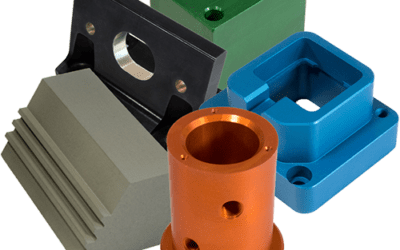
Type II and Type III anodizing convert the aluminum surface into an oxide layer and improve its corrosion and abrasion resistance. Our Type III hard coat meets MIL-A-8625 for military and OEM suppliers.
Anodizing adds the thickness of the oxide buildup to each surface of the part. We can mask close-tolerance features to keep them at print size during the process.
How Three PFI Customers Cut Part Costs
Each customer below switched to one of our coatings and spent less on bar stock, replacement parts or repainting. We changed their names and some job details to protect their anonymity:
Precision Machined Shafts Need Thin Dense Chrome
Seeking → a lower-cost alternative to stainless steel guide shafts
Guide shafts for a conveyor equipment builder make up most of the work at Jason Miller’s CNC precision shop. The builder specified stainless steel to keep the shafts from rusting in a humid plant. Jason wanted to cut material cost on each order and still meet the corrosion requirement.
Jason brought us the shaft print and asked for a lower-cost option. We proposed carbon steel shafts with a thin, dense chrome (TDC) finish. The builder’s engineer signed off on the change for these reasons:
- Total growth of 0.0002 inch or less under normal conditions
- No undersize design calculations in most applications
- No grinding or secondary operations after plating
- Hardness above 70 Rockwell C
- Resistance to attack from most organic and inorganic compounds
Carbon steel bar stock plus the TDC finish costs less per shaft than stainless bar stock. Jason’s machinists turn each shaft to final size before plating. The plated shafts go to the builder with no grinding step.
High-Phosphorus Electroless Nickel Provides Corrosion Protection for Oil and Gas Valves
Seeking → longer valve stem life than hard chrome in corrosive service
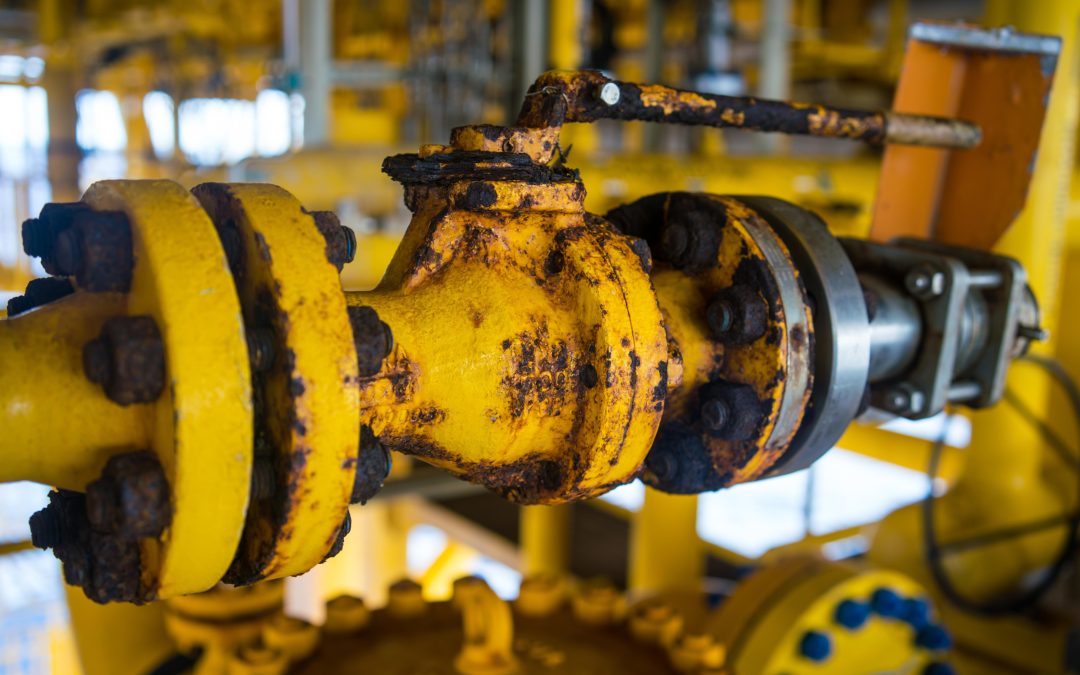
Maintenance engineer Dana Kowalski manages the valves at an oil and gas production site. Corrosive fluids pitted the hard chrome on her valve stems long before their scheduled replacement dates. Her crew had to buy a new stem and shut the valve down for each early replacement.
Dana compared the published salt spray results for both finishes. Those numbers were 24 hours for hard chrome and 1,000 hours or more for high-phosphorus electroless nickel (EN). She also weighed these EN properties:
- A sealed deposit without the microcracks found in hard chrome
- Even thickness on threads and in holes as small as 0.020 inch
- No polishing or grinding to bring the stem back to size
- Plating to ASTM B733, AMS 2404C and MIL-C-26074
Electroless nickel also costs slightly less per stem than hard chrome. Dana’s crew now replaces valve stems on the planned schedule.
Machined Aluminum Parts for Military Applications Need Type III Hard Coat
Seeking → abrasion and corrosion protection for aluminum housings on field equipment
Paint chipped off the machined aluminum housings at Rachel Ortiz’s military supply company within the first season of field use. Moisture then reached the bare aluminum and left corrosion at every chip. Rachel wanted a harder surface on new housings to stop the repainting.
We recommended a Type III hard coat to MIL-A-8625 for the housings in place of paint. Type III anodizing converts about 0.001 inch of the aluminum surface into oxide and builds up another 0.001 inch on top. Rachel’s engineers reviewed these Type III details:
- Aluminum oxide surface of about 65 Rockwell C
- Higher abrasion and corrosion resistance than bare aluminum
- Black hard coat on request
- Masking for close-tolerance bores and threads
Inspectors found no corrosion at impact points on the first hard-coated lot. Rachel’s team also stopped repainting returned housings.
Trust PFI Corrosion Resistant Coatings
Corrosion resistance coatings protect industrial metal parts from rust and pitting and extend their service life. Matching the coating to the base metal, operating environment and tolerances can mean fewer reworked, scrapped, and replaced parts.
PFI plates and coats metal parts and mold components for manufacturers in Saegertown, Pennsylvania. Send us your print, and our team will recommend a coating for your base metal and operating environment.
Click below for a quote and to learn more about protecting your parts from corrosion.